
Baraga County Mugshot Record Sources
A mugshot is a booking photograph tied to a particular admission. Release does not convert it into proof of a case outcome, present custody, or current appearance. The record custodian matters. Baraga County holds the Sheriff booking image. MDOC holds the state corrections offender image. Michigan State Police maintains any public registry registration image. A court holds judgments and set-aside orders but is not the normal custodian of the jail photograph.
Michigan FOIA, MCL 15.235 and MCL 15.234, provides the response and fee framework for existing nonexempt agency records. Research found no Michigan law that requires a sheriff to publish mugshots online. It also found no Michigan-specific anti-pay-to-remove statute. Online publication is therefore a separate agency choice, while access to an existing image remains subject to FOIA exemptions, redactions, and nonpublic-record rules.
Find Baraga County Released Mugshots
No single gallery covers every released person. First decide whether the sought image is from a county booking, an MDOC record, or a registry. Then check whether the agency currently publishes it. An image can be missing because no public roster exists, the display window ended, an exemption applies, an electronic image was never captured, or a set-aside made the related record nonpublic.
| Channel | Has a photo? | How to access |
|---|---|---|
| Baraga Sheriff website | No verified public roster or release-photo feed | Use the county FOIA route for the identified booking |
| Official Sheriff app | No Baraga jail app was verified | Do not rely on a generic vendor app |
| County record request | May return the Sheriff booking photo | Ask for the existing image by booking and date range |
| MDOC OTIS | May show an offender image | Search the correct state record; use MDOC FOIA as fallback |
| Michigan PSOR | May show a registry photo | Only for a person published under registry law |
| News coverage | Sometimes | Treat the article as a lead and verify the later record |
| Third-party copies | May show an old image | Do not use them as confirmation or a removal authority |
The Baraga County released-inmate search provides the custody and court checks needed to place any image in its correct release context.
Request Baraga County Booking Photos
The primary local route begins at the official Baraga County Documents page. It links the county FOIA request form and related procedures. Identify the Sheriff or jail as the public body holding the record. Ask for an existing booking photograph, not an explanation or a new image compilation. Include the full name, the booking number when known, and a bounded booking-date range. Add date of birth only when it is needed to distinguish people with the same name.
- Open the county documents page and use the current FOIA form or prepare a clear written request.
- Name the Baraga County Sheriff booking and provide enough detail to locate that one episode.
- Request the booking sheet and booking photograph, plus admission and release date and time if context is needed.
- Ask for electronic copies. If part is exempt, request the reasonably separable nonexempt portions and the cited exemption.
- Keep the agency response with the image so its booking, custodian, and production date remain clear.
Michigan FOIA generally requires a response within five business days. The county may grant, deny, grant in part, or issue a written extension of up to ten additional business days. That is a response schedule, not guaranteed image delivery. Fees may cover permitted labor, copies, and delivery. Ordinary letter or legal paper duplication is capped by county policy at ten cents per sheet, and an estimate over $50 can trigger a deposit of up to half.
The successful capture below comes from the official county forms route.
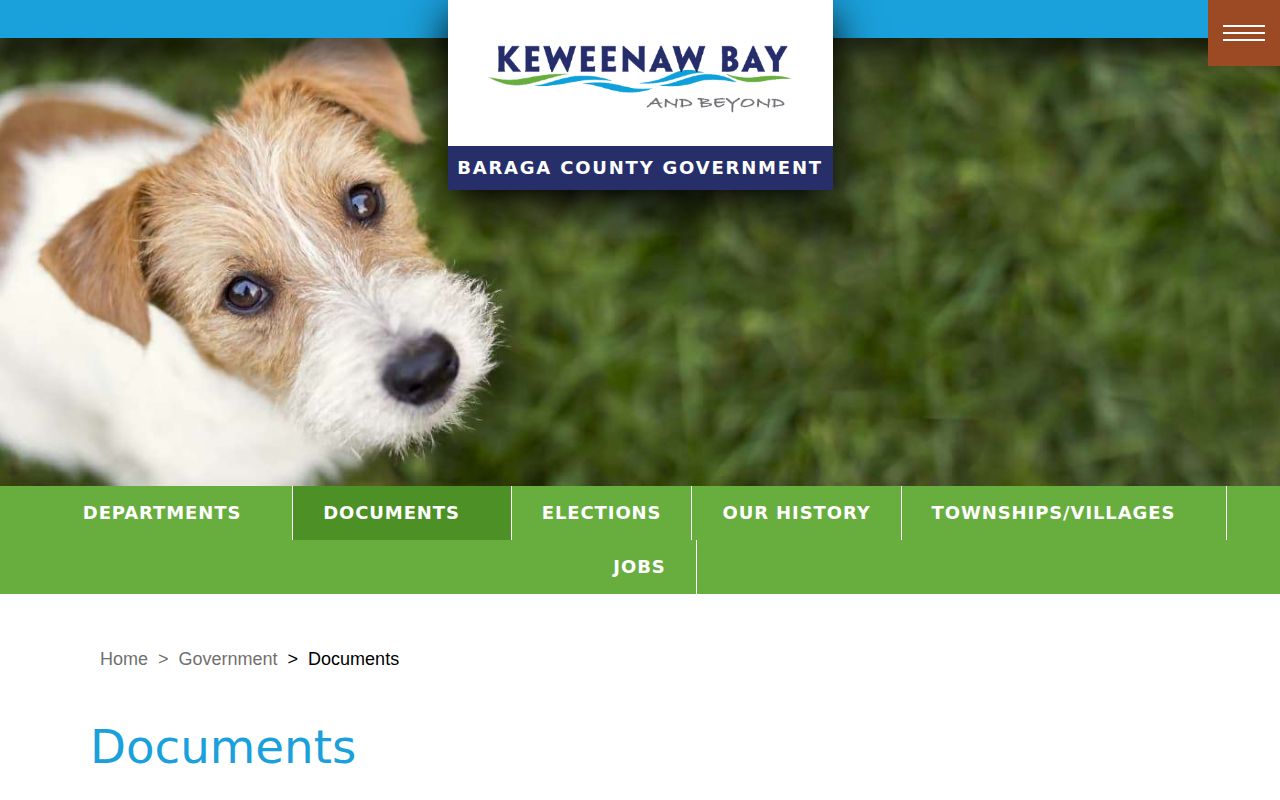
That county page is the reliable starting point even though linked PDFs may resolve through the regional keweenawbay.org domain.
Note: The county’s one-year retention statement concerns the FOIA request itself, not a published retention term for every booking photograph.
Baraga County Mugshot App Limits
No official Baraga Sheriff mobile jail app was verified. The Sheriff site also has no verified searchable roster, released tab, release archive, or photo feed. This negative fact matters because a generic jail vendor may prompt a search without carrying current Baraga County data. An app name should not be treated as official unless the Sheriff links or identifies it.
The absence of a person from a roster that was never published says nothing about whether a booking occurred. It also says nothing about release. To confirm a local image, use the Sheriff records request. To confirm the booking outcome, request the release date, release type, and destination in the same bounded request. The court register can then supply bond, dismissal, judgment, and sentence context.
If a future Sheriff page or app begins publishing photos, note the image date and source agency before saving a reference. A public photo can later disappear because the publishing policy changes or the underlying record becomes nonpublic.
Three Baraga County Record Photos
Three official-looking images can represent different legal records. A Baraga Sheriff booking photograph documents a county admission. An MDOC image belongs to a state corrections identity record and may have been taken at another time or facility. A Michigan Public Sex Offender Registry image supports registry maintenance and covers only people subject to that law. It is not necessarily a mugshot.
| Image | Record owner | What it does not prove |
|---|---|---|
| Sheriff booking photo | Baraga County Sheriff | Present custody, guilt, or later case result |
| MDOC offender image | Michigan Department of Corrections | That the image came from the Baraga jail booking |
| Registry photo | Michigan State Police registry | A new arrest, incarceration, or release date |
The Michigan registry information page explains that registry status and photo coverage form a separate public system.
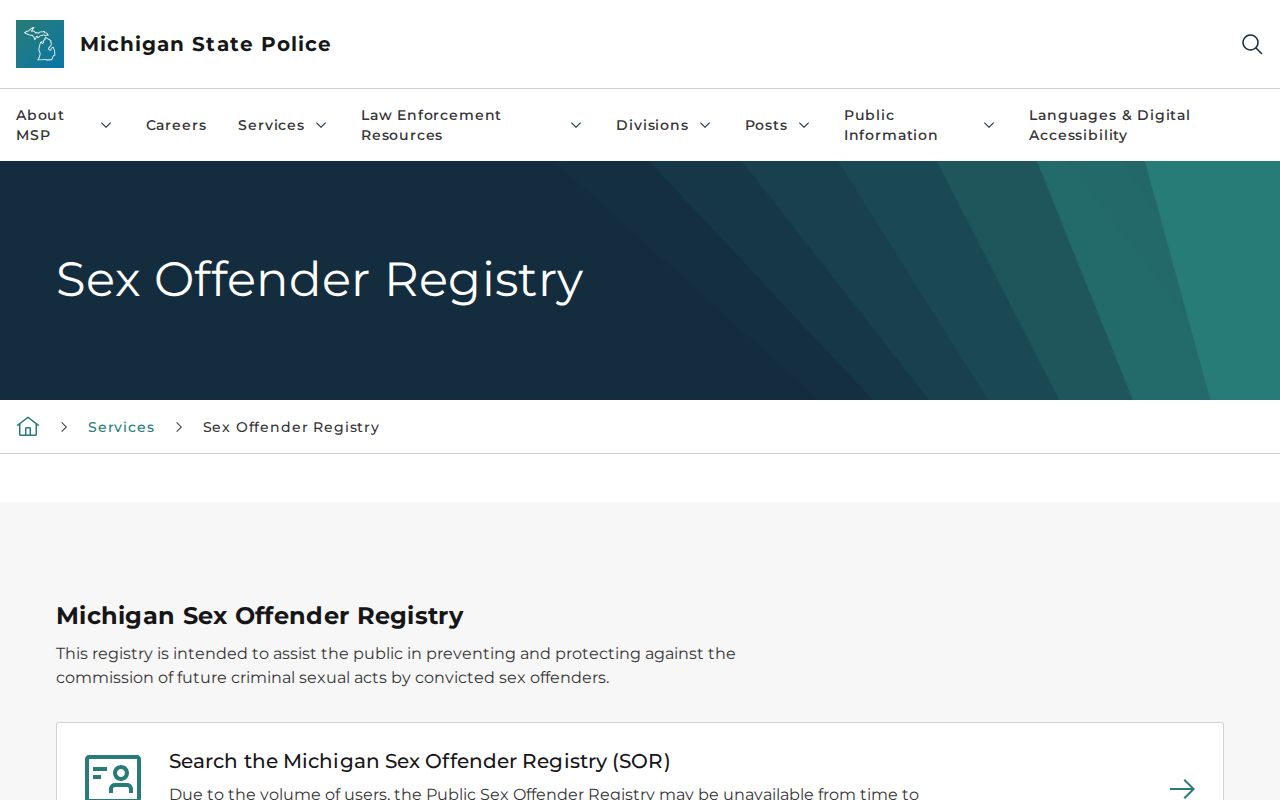
The registry route should be used only for its statutory records and never substituted for a Sheriff booking image or an MDOC offender image.
Baraga County MDOC Offender Images
OTIS may show an offender image for a current prisoner, parolee, probationer, or recently discharged person. It covers MDOC records, not county-jail-only cases. A person released from Baraga Correctional Facility may remain in OTIS as a parolee. A discharged record usually remains in the public system for three years after supervision discharge, unless a verified set-aside or operation of law removes it sooner.
Search by MDOC number when available. Otherwise use the name and status filters, match the record with care, and open the offender detail. Record that the image was available on the access date. A missing image does not mean the person was never incarcerated. MDOC notes that some older records lack an electronic photo. For a releasable image not displayed in OTIS, use the MDOC FOIA process and provide the MDOC number and date range.
The MDOC records and photo fallback appears in this official capture.
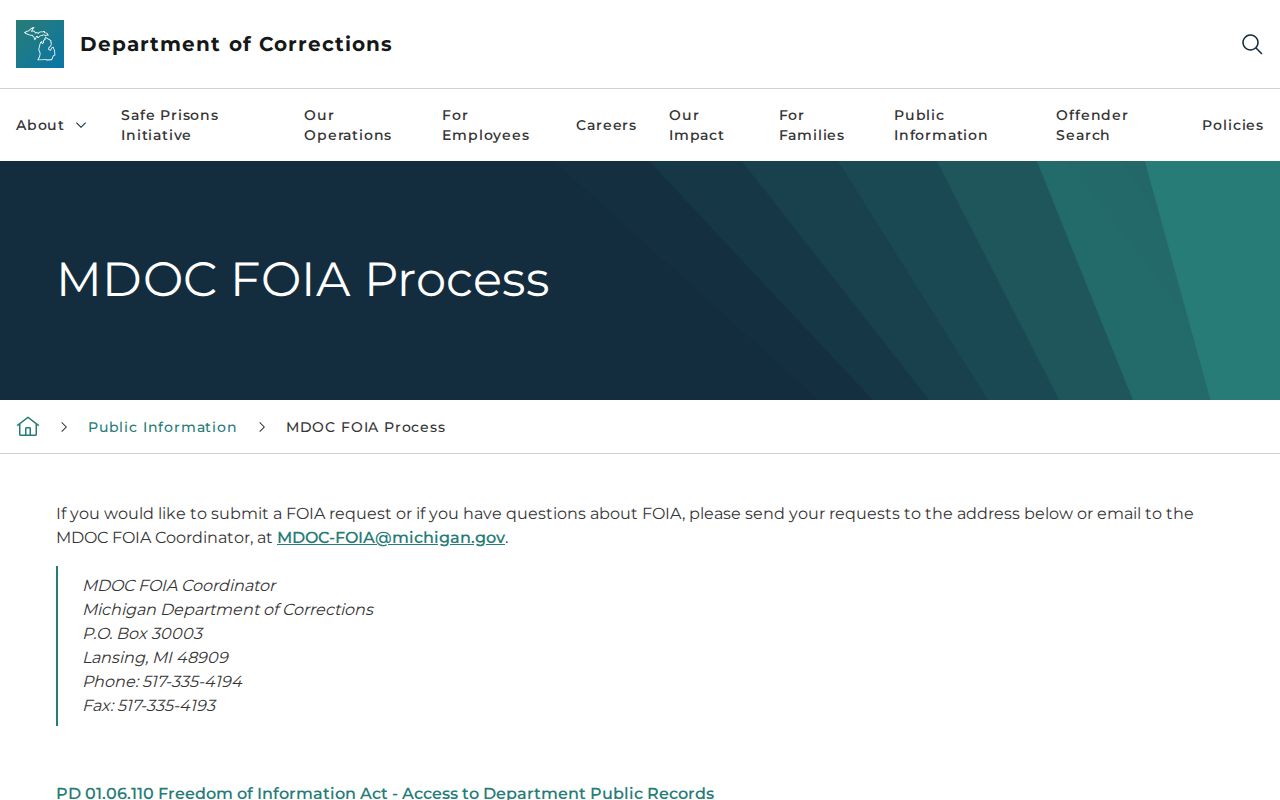
MDOC holds the state image. The Sheriff remains the proper custodian for a Baraga County Jail booking photograph.
Note: A later MDOC image does not show what the person looked like at the earlier Baraga County booking.
Clean Slate and Baraga Mugshots
Michigan’s automatic Clean Slate process began operating in 2023. Eligible conviction information can become nonpublic under MCL 780.621g, while MCL 780.623 governs nonpublic set-aside records and authorized access. Eligibility depends on the current law and the case. No universal result should be inferred from age alone.
MDOC says it removes an OTIS record and image after it verifies a sentencing-court set-aside or operation of law. That makes a vanished state image a possible legal effect, not proof of a website error. A result may also disappear because the three-year discharge display window ended. The two explanations require different records checks.
The Michigan State Police Clean Slate overview describes the state process. When correcting an MDOC display, provide verified court documentation to MDOC Records Administration. Do not republish an old copy merely because another publisher still has it.
Authenticate Baraga County Released Mugshots
Keep each photo tied to an agency, event, and date. For a Sheriff response, preserve the FOIA response and booking identifier. For an OTIS image, note the MDOC number, status, and access date. For a registry image, record that it came from the registry and not a booking archive. Capture date and publication date may differ.
News reports may show an image in a notable case, but an article is not a release archive. Verify the later result with the court and custodian. Third-party arrest pages may preserve old material without the dismissal, sentence, release, or set-aside that followed. They can be treated only as a lead. No commercial mugshot publisher or removal service is an official source, and none is linked here.
A missing photo also needs restraint. It can reflect a nonpublic record, an exemption, no electronic image, an expired display window, or a publishing choice. It cannot prove that no booking occurred. It cannot confirm that the person is free. Use the agency release record and court disposition for those questions.
When two images look alike, compare their metadata instead of choosing the sharper copy. Confirm the agency name, booking or offender number, event date, and stated record type. A county booking image may predate an MDOC photo by years. A registry photo may be newer than both. The most recent image is not automatically the correct one for the Baraga County booking. If the source cannot be established, describe the image only as an unverified lead and return to the Sheriff, MDOC, or registry record.
Release status must be checked apart from the photograph. A photo can remain visible after a person leaves custody, and an image can vanish while supervision continues. Pair a Sheriff image with the Sheriff release record, an MDOC image with the current OTIS status, and any court outcome with the proper court register. That method preserves the difference between identity evidence and custody evidence.